
The importance of REAA in modern Freemasonry

The Ancient and Accepted Scottish Rite (AASR) is one of the richest and most widely practiced Masonic rites in the world. Organized into 33 degrees, it offers a profound initiatory journey, combining symbolism, spirituality and traditional transmission.

At Nos Colonnes, we offer Masonic decorations specifically designed to meet the requirements of the REAA, whatever the degree or obedience.

Origin and structure of the REAA

A transatlantic story

Visit Masonic Rite in the world is the Ancient Accepted Scottish Rite (REAA), of Franco-American origin. In 1762, Brother Étienne Morin sailed from Bordeaux to Santo Domingo with patents authorizing him to practice and disseminate a 25-grade Rite, commonly known as the Rite of Perfection, but whose real name was the Order of the Royal Secret.

This Rite spread not only to Saint-Domingue, but also to the southern United States, particularly Charleston, home to a large community of French descendants of Huguenot refugees who fled during the Revocation of the Edict of Nantes (1685).

Enriched with 8 new degrees, the Rite of Perfection was to become the Ancient Accepted Scottish Rite (REAA) in 33 grades. In 1801, the first Supreme Council of the REAA was formed in Charleston. REAA of the world, followed in 1804 by the Supreme Council of France.

A 33-degree progression

The 33 REAA degrees are divided into : Blue lodges (degrees 1 to 3), Lodges of perfection (4 à 14), Chapter, Areopagus and Consistory (15 à 32), Supreme Council (33rd degree).

Each of these levels represents a stage of symbolic and intellectual elevation.

REAA-compliant Masonic decorations

Our compliance commitments

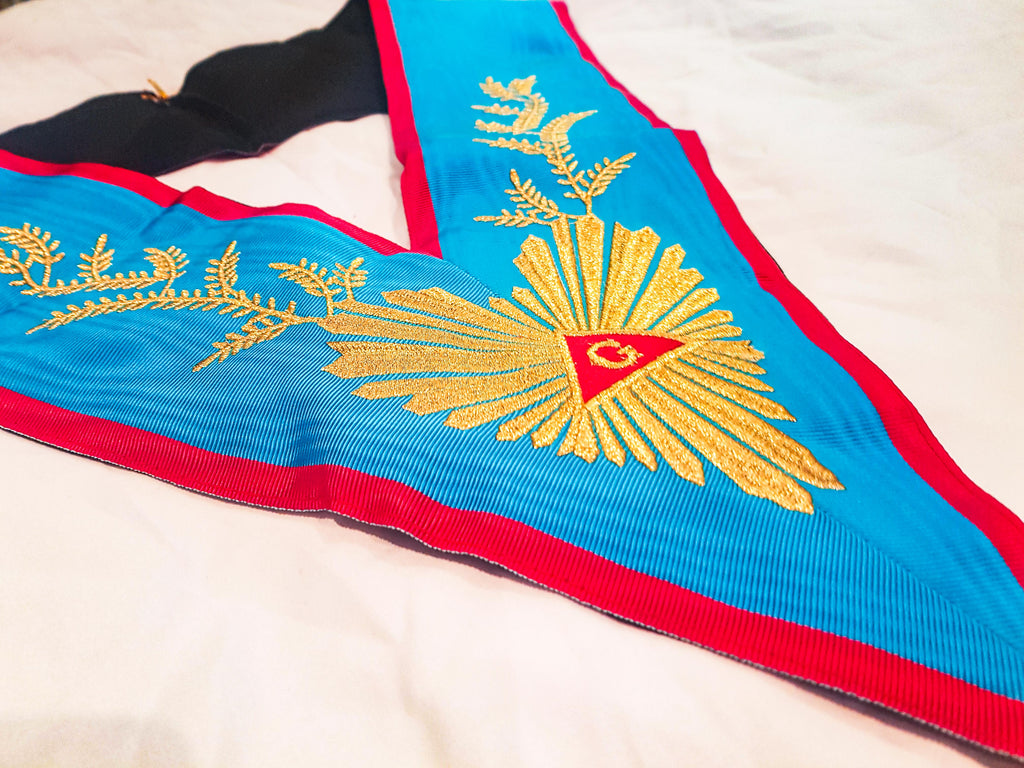
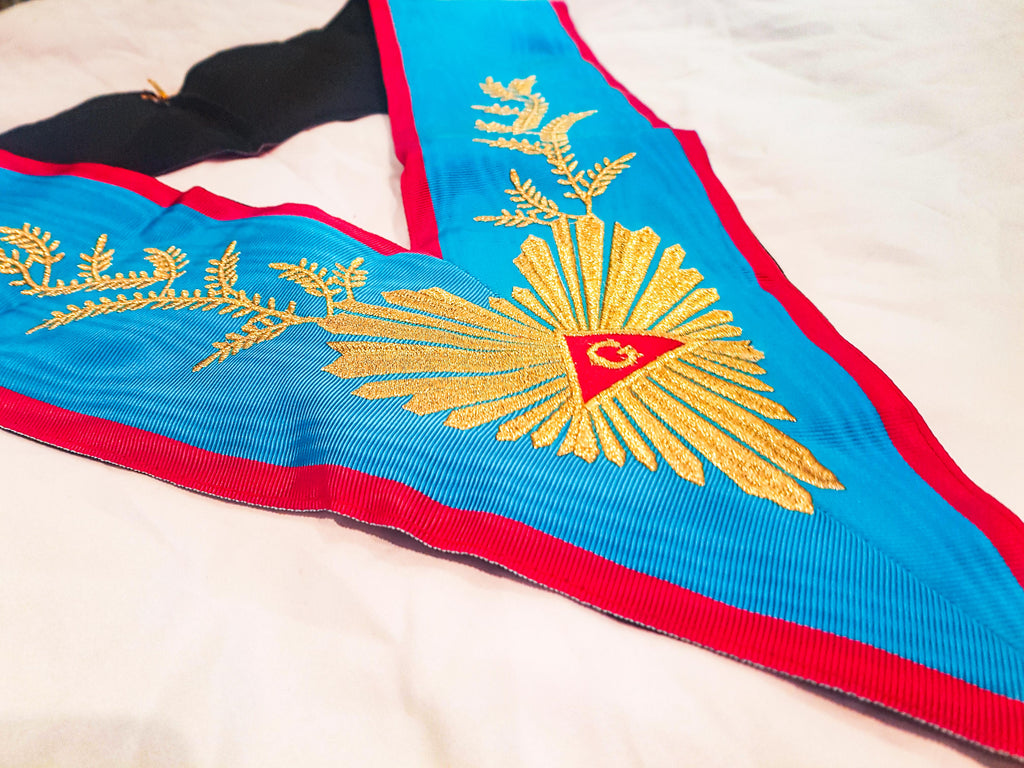
All the REAA decorations offered by Nos Colonnes are designed with respect for ritual symbols, colors and hierarchies: aprons for blue lodges and high degrees, scarves, necklaces and cords according to degree, symbolic jewelry in keeping with customary practice.

We invite you to discover our specialized collections:

Specific features of REAA decors

The main feature of the Masonic decorations of the Symbolic Lodge of the REAA is the red color that borders the apron and cordon/baudrier of Masters, as well as the saltire of Officers. This color was probably chosen because it is that of the ribbon of the Légion d'Honneur, founded by Napoleon in 1802. This sign of allegiance to the ruling power echoed the blue color of the French Rite, which recalled the blue cordon of the Order of the Holy Spirit, one of the most prestigious orders of the Ancien Régime.

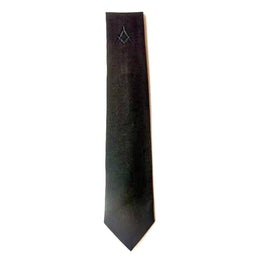
 On Our Columns visit Masonic decorations specific to the three symbolic grades of REAAYou'll find Masonic gloves, Masonic aprons, Masonic cords or shoulder straps, Masonic saltires, as well as symbolic jewelry for Lodge officers. You'll also find Masonic hats, head coverings and yarmulkes, Masonic ties and bow ties, and Lodge carpets specific to the Masonic Order. REAA.

In fact, the REAA is only a high-grade system in the Anglo-Saxon world, and its members are recruited from symbolic Lodges practicing other Masonic Rites, such as the York Rite in the USA. Symbolic Lodges working directly for REAA are first and foremost French, then more generally European and Latin.

The Cahiers (i.e. the Masonic rituals) of the three symbolic grades of the REAA were written in France, probably during the formation of the Supreme Council of France in 1804. They are inspired by a famous Masonic disclosure, the Three distinct knocks (The Three Distinct Blows), published in London in 1760, revealed the ritual practices of an Irish Masonic Lodge affiliated to the Grand Lodge of the Ancients.

This disclosure was translated into French and had a rapid impact on French-language rituals. As early as 1765, Masonic documents belonging to Jean-Baptiste Willermoz included a manuscript of a 1st grade ritual taken from the Three distinct knocks which can be considered the ancestor of the rituals of the symbolic grades of the REAA.

Why choose Nos Colonnes for your REAA decors?


✔ Expertise in high grades and Scottish rites

✔ Products made with symbolic precision

✔ Fast delivery & French-speaking customer service

✔ Customization options for officers and chapters

COMPLETE YOUR OUTFIT!

Are you new to REAA or moving up a level?

Contact us for personalized assistance or visit us directly:

REAA decors - All our models

DO YOU WANT TO CUSTOMIZE YOUR MASONIC REGALIA?

REQUEST A QUOTE

CONTACT US NOW!

Ancient Accepted Scottish Rite (AASR) Blue Lodges

The Ancient Accepted Scottish Rite (AASR) is a Masonic rite founded in 1801 in Charleston (United States at the instigation of the brothers John Mitchell and Frederic Dalcho. It is based on the Grand Constitutions of 1786, allegedly written by the king Frederick II of Prussia.


The regalia worn in the Ancient Accepted Scottish Rite blue lodges vary according to the degree and rank of each Freemason. They include the following articles: Aprons, Gloves, Sashes, Hats, Caps or Kippah and ties or neckties.


The Worshipful  Master and the Lodge Officers also wear Collars and Collar Jewels according to their function.

The main specificity of the AASR blue lodge regalia is the red border of the Masters’ and Lodge Officers’ aprons.